
Key Takeaways
- Dry eyes can cause burning, watering, blurry vision, and a gritty feeling, or no symptoms at all.
- Screen time, hormonal changes, and contact lens habits are common contributors. Inflammatory and autoimmune conditions, including arthritis and thyroid disorders, can also contribute.
- Leaving dry eyes unmanaged can affect the surface of the eye and make daily tasks harder.
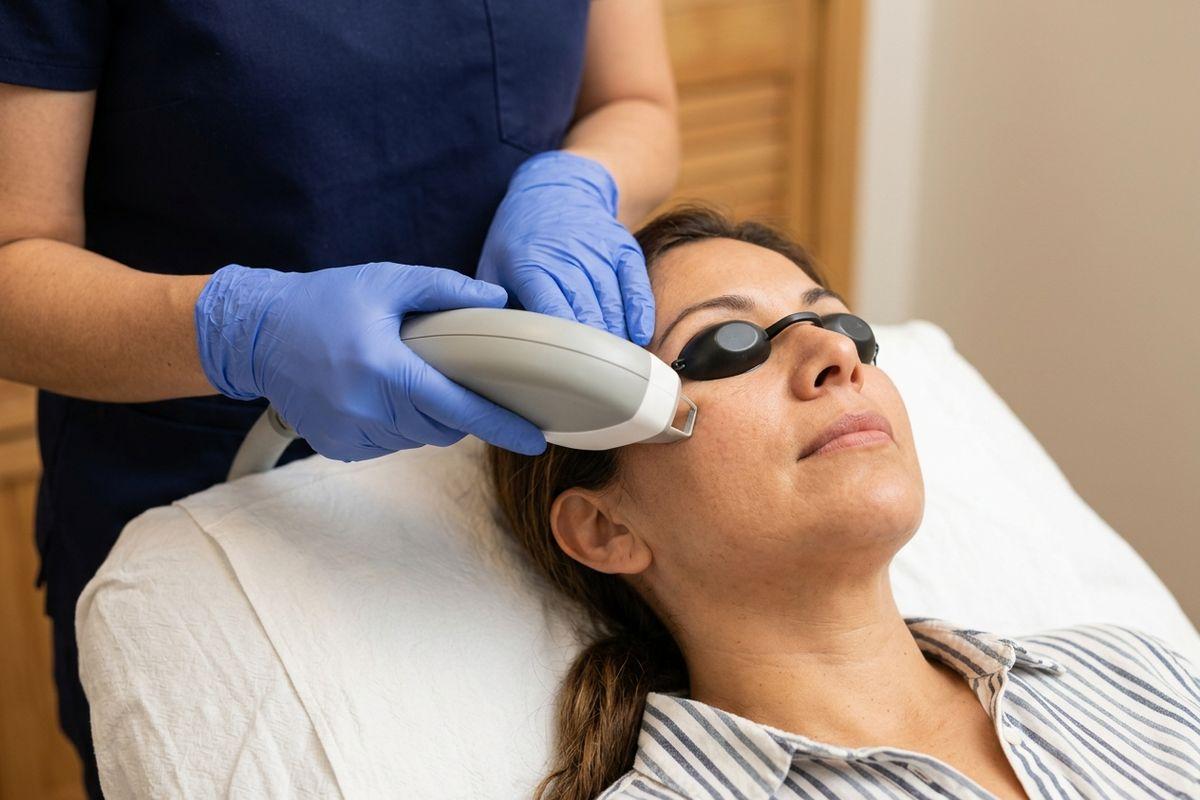
- In-clinic treatments like intense pulsed light, radiofrequency, and Jett Plasma Pen therapy can also help.
- Warm compresses and eyelid hygiene are simple at-home strategies worth adding to your routine.
Dry Eye Disease & Your Tear Film
Your eyes feel scratchy by mid-morning. By afternoon, you start to experience blurriness that comes and goes when you blink. You might reach for eye drops, blink a few extra times, and hope that the episode passes. However, for a lot of people in Burlington, it doesn’t.
Alternatively, you may not notice any symptoms at all. You might be surprised to see how red your eyes look in the mirror at the end of the day, particularly after drinking coffee or other caffeinated beverages.
Dry eye disease (DED) happens when your tear film isn’t working the way it should. Fortunately, the right care can make a real difference in your comfort and eye health. Here’s what to know about why dry eye happens and how our team at Dr. Fink Eye Care & Optical Boutique can help you find relief.
What Dry Eyes Actually Feel Like
Many people assume that dry eyes feel dry. However, symptoms can be a bit broader than that. You might notice any of the following:
- A burning, stinging, or scratchy sensation in one or both eyes.
- Watery eyes, blurred vision, or sensitivity to light.
- A persistent feeling that something is stuck in your eye.
Watery eyes might sound like a contradictory symptom, but it’s actually pretty common. When the surface of your eye is irritated, your body produces reflex tears in an attempt to deal with the irritation. However, these reflex tears don’t usually improve comfort.
Common Contributors to Dry Eyes
Screen Time & Blinking Less
When you’re focused on a screen, your blink rate drops. Blinking is what spreads your tear film across the surface of your eye, so blinking less means that your tear film breaks down faster. Incomplete blinks, where your eyelids don’t fully close, can make this effect even worse. If your eyes feel worse at the end of a workday or after a long session on your phone, your blink rate could be why.
Hormones, Age, & Health Conditions
Hormonal shifts, particularly during menopause, can reduce both the quantity and quality of your tears. Certain autoimmune conditions can also affect the glands responsible for tear production. If you’ve noticed dry eye symptoms alongside other health changes, it’s worth mentioning to your optometrist.
Dry eye disease can also develop without noticeable symptoms, particularly in patients with autoimmune conditions. In many cases, one of the first signs is gland loss identified through meibomography. This is an important screening tool that helps detect meibomian gland loss and dysfunction.
Everyday Habits That Make It Worse
Contact lens wear, especially sleeping in your lenses, can disrupt your tear film and irritate the surface of your eyes. Lash extensions, on the other hand, can trap bacteria along the eyelid margin, which affects the tiny glands that keep your tears stable. Small adjustments to your habits can sometimes make a noticeable difference.
Not removing makeup at the end of the day can also contribute to dry eye symptoms. Dehydration and consuming caffeinated beverages, such as coffee and energy drinks, may also affect your overall hydration.
What Happens When Dry Eyes Go Unmanaged
Without proper care, dry eye disease can cause more than just discomfort.
- The surface of the eye can become damaged from ongoing friction and inflammation.
- The risk of eye infections can increase over time.
- Everyday tasks like reading, driving, or working at a computer can become more difficult.
Dry eye therapy can help you manage symptoms before they affect your daily life.
Dry Eye Therapy Options Worth Knowing About
In-Clinic Treatments
For moderate to more persistent dry eye disease, Dr. Fink Eye Care & Optical Boutique offers in-clinic treatments.
- Intense pulsed light (IPL) therapy targets the skin around the eyes using pulses of light.
- Radiofrequency (RF) therapy uses controlled heat to help with the glands along the eyelid.
- Jett Plasma Pen (JPP) therapy uses controlled plasma energy to address eyelid margin concerns and support healthier gland function.
- Prescription eye drops are often helpful for patients who need ongoing relief between appointments.
- Amniotic membranes may also be an option for certain patients.
At-Home Strategies That Help
A few good habits practiced at home can provide support for your eyes.
- Warm compresses applied to closed eyelids can help loosen clogged oil glands.
- Regular eyelid hygiene can help keep the margins of your eyelids clear.
- The 20-20-20 rule can help if you spend a lot of time in front of screens. Every 20 minutes, look at something 20 feet away for 20 seconds to give your eyes a short break.
When to See an Eye Doctor About Dry Eyes
If your symptoms persist or worsen, or if your dry eyes are affecting your ability to wear contact lenses, it’s worth having your eyes examined. A dry eye exam in Burlington with our team at Dr. Fink Eye Care & Optical Boutique can help pinpoint what’s happening with your tear film and give you a clearer sense of your options.
Contact lens wear can contribute to ongoing inflammation and dry eye symptoms, so some form of preventive dry eye care may be beneficial. All current patients have access to a complimentary dry eye assessment with Dr. Kulvir Singh. We also include meibomography screenings as part of our routine eye examinations to help patients understand the health of their meibomian glands and discuss appropriate maintenance or treatment options.
Reach out today to book your appointment.