Key Takeaways
- Having 20/20 vision does not mean all visual skills are working properly.
- Headaches, reading struggles, and avoidance of close work may all point to a vision problem.
- Eyes that don’t work together can affect coordination, handwriting, and learning.
- Fall sports bring a higher risk of head injuries, and concussions can disrupt visual skills.
- Vision therapy in Burlington can help retrain visual skills, supporting your child’s daily life.
School means whiteboards, textbooks, and a lot more time asking young eyes to work hard. Reading, writing, copying from the board, and screen time all place real demands on visual skills that a basic sight test simply doesn’t measure. If your child is struggling at school, the problem might not be attention or effort. It could be vision.
A child who passes a standard eye test can still have visual skills that aren’t working the way they need to for learning. At Dr. Patricia Fink Eye Care & Optical Boutique, we offer vision therapy as a structured program that helps train and develop those skills. Here are 5 signs your child might benefit from it this school year.
Sign 1: Frequent Headaches and Eye Strain During Schoolwork
What to Watch For
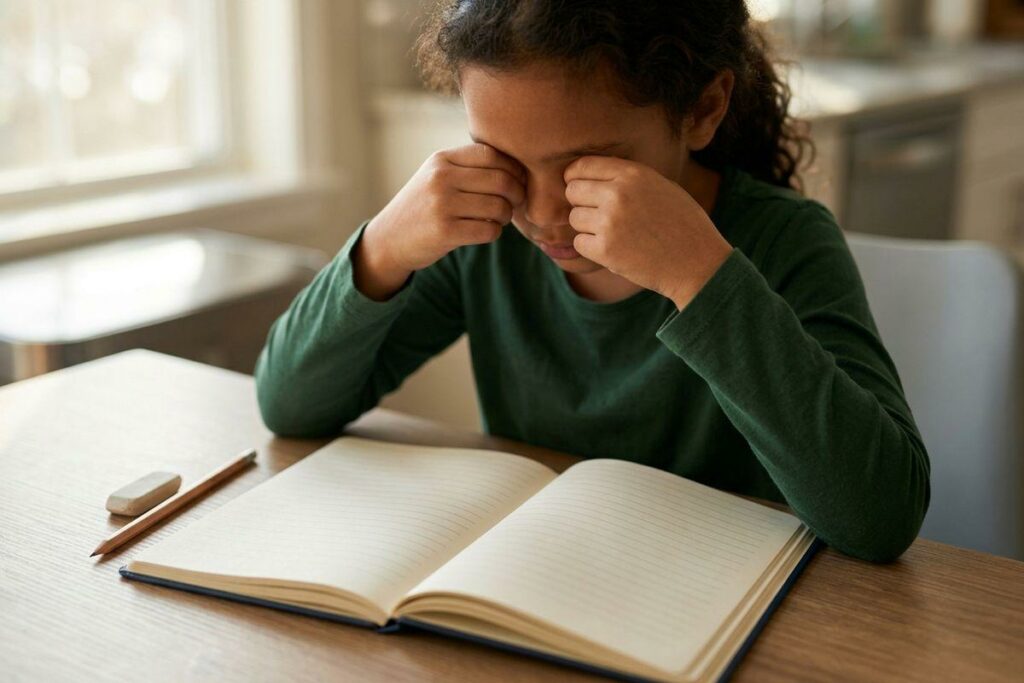
Pay attention to when your child’s headaches happen. If they tend to show up after reading, writing, or screen time, their eyes may be working harder than they should just to see properly.
You might also notice your child rubbing their eyes during homework or squinting over a book. By the end of a school day, they may complain their eyes feel tired.
When eye alignment is off, your eye muscles will work hard to compensate. That effort can add up throughout the school day, and discomfort tends to get worse the longer your child tries to focus up close. It’s not imagined, and it’s not something they should have to push through.
Sign 2: Reading Struggles Despite Clear Eyesight
Reading Signs That Are Easy to Miss
Your child can read every word on the eye chart and still struggle with a page in a book. Visual acuity is only one part of having clear, comfortable vision. If you notice these signs, it’s a good idea to bring them in for an eye exam:
- They skip lines or lose their place on the page regularly.
- They tell you that words look like they’re moving or blurring while reading.
- Their reading comprehension is lower than their grade level, even when they can sound out the words.
What School Vision Tests Miss
Standard school vision tests check whether a child can see clearly at a distance. They don’t assess eye tracking, eye teaming, or the ability to shift focus. Those are the skills that reading actually depends on, and they can go undetected without a thorough eye exam.
Sign 3: Eyes That Don’t Work Together and Coordination Challenges
Signs of Poor Eye Teaming
To see a clear, comfortable image, both eyes need to point at the same target at the same time. When they don’t, your child may tilt their head or close one eye to get relief without even realizing why they’re doing it. They might mention seeing double, or that text looks blurry, especially when they’re tired.
Hand-Eye Coordination Red Flags
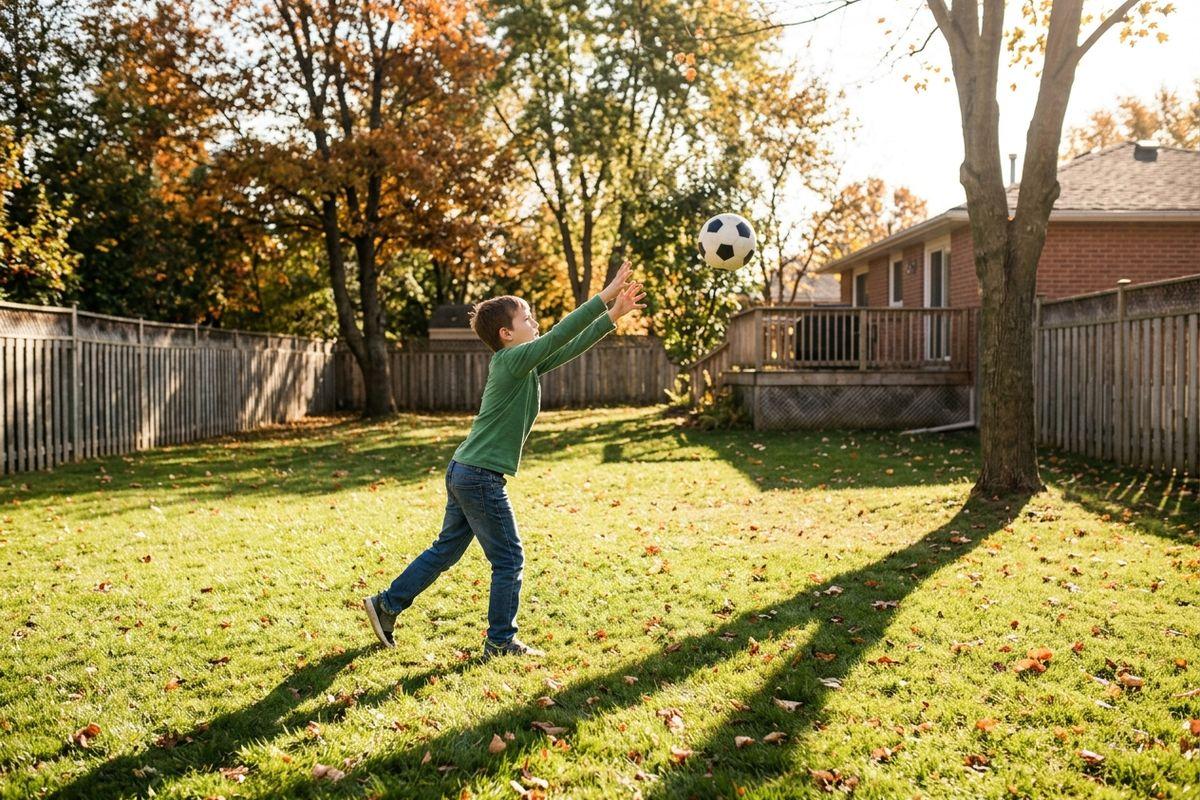
Poor eye teaming can show up beyond the page. If your child has trouble catching a ball, frequently bumps into things, or their handwriting looks messy despite genuine effort, a visual skills issue could contribute. These aren’t always personality quirks or clumsiness. They can be signs that the eyes and brain aren’t communicating well, leading to coordination problems.
Vision therapy works to retrain exactly these kinds of skills through structured exercises that target how the eyes and brain work together.
Sign 4: Your Child Avoids Reading and Close Work
When close work consistently feels uncomfortable, kids find ways around it. That might look like homework battles, emotional outbursts at the desk, or a strong preference for being read to instead of reading on their own. It’s easy to label this as resistance or even as an attention problem, but avoidance could mean something about the task feels genuinely hard or painful.
Over time, that avoidance adds up. A child who sidesteps reading and close work can fall behind in ways that are difficult to catch up on later. A child’s eye exam in Burlington that goes beyond a basic distance check can help identify what’s really going on.
Sign 5: A Recent Concussion
School Sports and Concussion Risk
Fall sports are in full swing, and with them comes a higher risk of head injuries. A hit to the head during soccer, football, or rugby doesn’t always knock a child out, but it can still affect how their visual system works. Symptoms like blurry vision, sensitivity to light, or trouble following a moving object after a head injury are worth taking seriously, even if your child says they feel fine.
How Vision Therapy Supports Concussion Recovery
A concussion can disrupt how the eyes work together, and those changes don’t always resolve on their own. Vision therapy can help retrain the visual skills affected by the injury. If your child has had a head impact and seems off, a children’s eye exam in Burlington can identify whether their visual system has been affected and what kind of support might help.
Schedule Your Vision Therapy Assessment
Our team offers vision therapy in Burlington for children who need support with their visual skills, whether the cause is a learning-related challenge or a sports injury. If any of these signs sound familiar, booking a thorough children’s eye exam in Burlington is a good place to start. We look forward to seeing you and your family.