Your eyes are a window into both vision and overall health. A comprehensive eye exam lets us detect early signs of serious conditions, often before symptoms begin. That’s why we follow a patient-first approach to eye care, looking beyond standard vision tests to protect your long-term eye health.
A thorough eye exam can detect over 20 different diseases and conditions, ranging from glaucoma and macular degeneration to diabetes, high blood pressure, and neurological disorders.
How Your Eyes Reveal Health Problems Throughout Your Body
Your eyes contain tiny blood vessels, nerves, and tissues that reflect what’s happening in the rest of your body. When we examine these structures during your eye exam, we can spot changes that signal developing health issues.
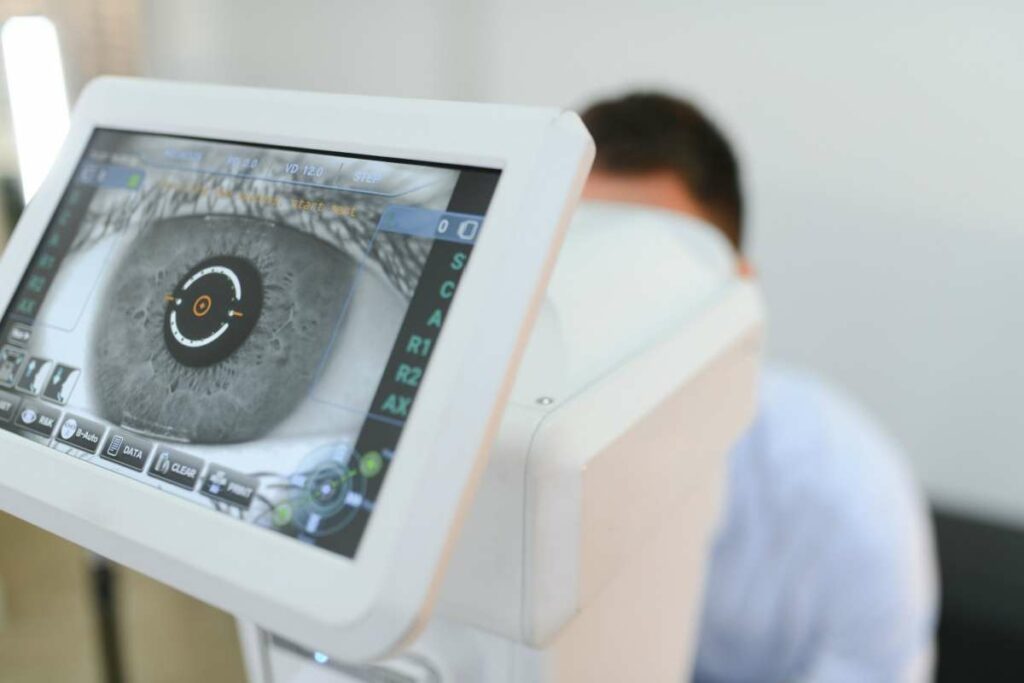
At our Burlington eye clinic, we use advanced diagnostic equipment to get a detailed view of your eye health. This comprehensive approach helps us catch problems early when treatment can be most effective.
Eye Diseases We Can Spot Early During Your Burlington Eye Exam
A comprehensive eye exam can detect over 20 different eye and health conditions. Here are a few of the most common issues we identify early in our optometry clinic:
Glaucoma Detection & Monitoring
Glaucoma damages your optic nerve gradually, often without symptoms until significant vision loss occurs. During your exam, we check for signs that help us catch this condition early.
We look for these key indicators:
- Increased eye pressure
- Optic nerve damage
- Vision field changes
Macular Degeneration Signs
Age-related macular degeneration affects your central vision and can develop slowly over time. We can identify early warning signs before you notice vision changes.
Key signs we monitor include:
- Retinal changes
- Central vision problems
- Drusen deposits
Diabetic Eye Disease
Diabetes can affect many structures throughout the eye, not just the retina. Regular diabetic eye exams allow us to monitor these changes early and protect your vision by examining the entire visual system for diabetes-related complications.
We look for signs of diabetic changes in several key areas:
Retina (back of the eye):
- Blood vessel changes
- Retinal bleeding or swelling
- New, fragile blood vessel growth (neovascularization)
Iris (front of the eye):
- Tiny abnormal blood vessels that may form along the iris frill, identified during slit-lamp/biomicroscope evaluation
Eye movements & nerves:
- Nerve palsies—nerve weakness that can cause eye movement problems or double vision—often appearing in diabetes well before any retinal changes
- Pupil size, symmetry, and constriction problems, which can signal early involvement of the nerves that control eye function
Lens (natural lens of the eye):
- Earlier cataract development (often 10 years sooner in patients with diabetes) due to accelerated metabolic changes inside the lens, where elevated glucose alters the lens proteins and causes faster clouding
- Sudden, noticeable shifts in your glasses prescription when blood sugar levels rise or fall quickly, affecting the lens’ focusing power
By carefully evaluating each of these structures during a diabetic eye exam, we can detect early signs of diabetes-related eye disease and help prevent long-term vision loss.
Cataracts & Other Lens Problems
Cataracts develop when your eye’s natural lens becomes cloudy. We can detect cataracts in their early stages and help you plan for treatment when the time is right.
Signs we look for include:
- Clouding of natural lens
- Changes in vision clarity
- Light sensitivity
- Reduced contrast sensitivity
- Difficulty seeing at dusk, during night driving, or in rainy or cloudy weather
Systemic Diseases Your Eye Exam Can Reveal
Your eyes don’t just reveal vision problems, they can also show early signs of conditions affecting the rest of your body. During an eye exam, we examine blood vessels, nerves, and other internal eye structures that can signal systemic diseases long before symptoms appear.
Diabetes & Blood Sugar Problems
If you have diabetes, your eyes are one of the first places the condition can start to cause damage—often before your vision changes. Diabetes can weaken and leak from the tiny blood vessels in your retina, leading to a condition called diabetic retinopathy.
During a diabetic eye exam, we monitor for early warning signs such as:
- Changes or swelling in retinal blood vessels
- Small areas of bleeding inside the eye
- New, fragile blood vessels forming where they shouldn’t
- Fluid buildup that can affect central vision
Even if your blood sugar is well-controlled, these retinal changes can still occur over time, which is why regular eye exams are an essential part of diabetes management. Detecting changes early gives us—and your physician—time to react before permanent vision loss develops.
High Blood Pressure Detection
High blood pressure (hypertension) can damage the tiny blood vessels in the retina, making them narrow, twisted, or leaky. These changes—called hypertensive retinopathy—are visible during an eye exam, even if you feel completely normal.
If you already have high blood pressure, regular eye exams help us monitor how well your condition is being controlled and whether it’s affecting your vision. If we see new vascular changes, we may recommend follow-up with your family doctor to adjust treatment before more serious complications occur.
Autoimmune Conditions
Autoimmune diseases can trigger inflammation inside the eye, affecting structures like the retina, optic nerve, cornea, and tear glands. Conditions such as rheumatoid arthritis, lupus, Sjögren’s syndrome, and Crohn’s disease can all show early signs in the eye, sometimes before flare-ups appear elsewhere in the body.
For patients already diagnosed with autoimmune disease, eye exams play an important role in monitoring for inflammation, dry eye, or medication-related side effects. Early treatment can prevent permanent tissue damage and protect vision.
Neurological Problems
Because the optic nerve is an extension of the brain, changes in your vision can be one of the earliest signs of neurological issues. During an eye exam, we assess the health of the optic nerve and perform visual field testing, which can reveal patterns associated with conditions like multiple sclerosis, pituitary tumors, stroke, or other nervous system disorders.
While an eye exam alone can’t diagnose these conditions, it can provide important clues that lead to earlier medical evaluation and treatment.
Why Children’s Eye Exams Matter for Disease Detection
Children’s eyes develop quickly, and many vision problems can go unnoticed because kids don’t always know something is wrong. A full eye exam helps us identify issues early before they affect learning, coordination, or long-term visual development.
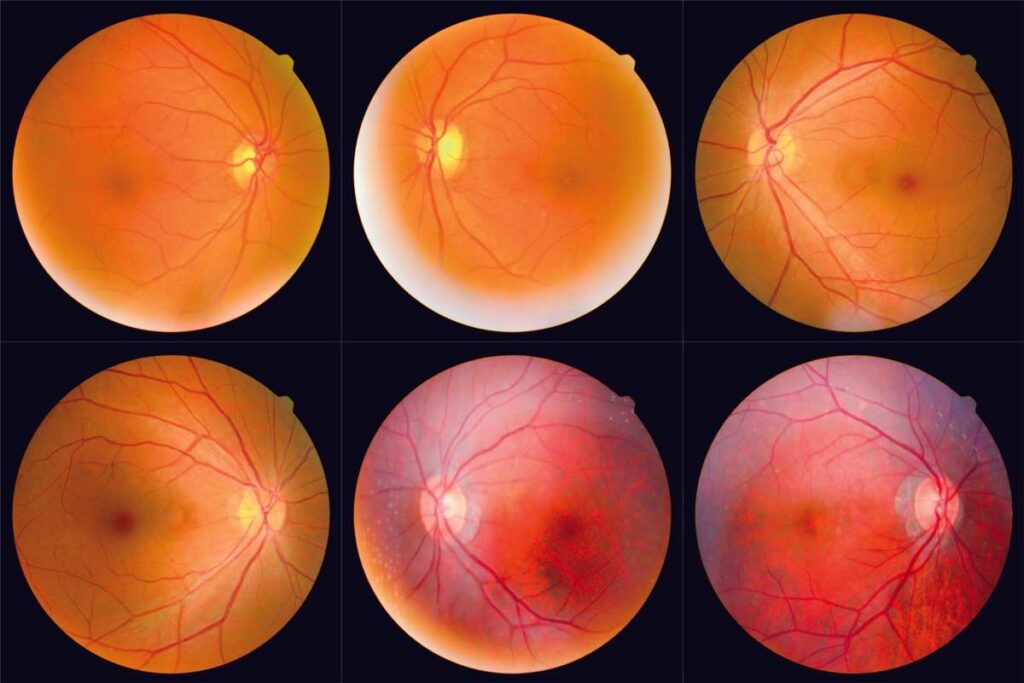
Retinal photography is especially valuable for children, as it creates a detailed photo record of the back of the eye. This photodocumentation allows us to track subtle changes over time, catch early signs of disease, and compare future images against a reliable baseline. Even when a child’s eyes appear healthy, these images help us monitor development and ensure nothing is missed during growth.
Childhood Conditions We Can Identify
Some of the most common issues we detect during pediatric eye exams include:
- Amblyopia (lazy eye)
- Eye teaming or tracking problems
- Refractive errors that affect reading and classroom performance
- Binocular vision issues that impact depth perception and coordination
- Colour vision deficiencies that may affect classroom learning and reading tasks
These conditions don’t always cause blurry vision, so standard school screenings may not catch them.
Eye health evaluation is also crucial, even in infants. A comprehensive exam helps rule out serious but rare conditions such as retinoblastoma, where early detection can be lifesaving.
Allergies and dry eye are also far more common in children than many parents realize. These conditions leave clear signs on the eye’s surface, but the symptoms are often subtle. Kids may blink excessively, rub their eyes, or make repeated facial movements to compensate, behaviours that parents sometimes mistake for tics or behavioural issues when the cause is actually an underlying eye condition.
Early Detection Benefits for Kids
The earlier a problem is found, the more effective treatment can be. Children’s visual systems are still developing, which means we can often correct or improve issues if they’re addressed early. Left untreated, these conditions can lead to permanent vision loss, learning struggles, or difficulty with sports and hand-eye coordination.
Where Vision Therapy Fits In
When a child’s eyes don’t work together properly—whether for reading, focusing, tracking, or depth perception—glasses alone may not solve the problem. That’s where vision therapy comes in. Vision therapy uses customized, doctor-guided exercises to strengthen visual skills and help the brain and eyes work together more efficiently.
It can support children who struggle with:
- Reading fatigue or skipping lines
- Trouble concentrating on close work
- Poor eye-hand coordination
- Headaches or eye strain during schoolwork
- Reversing letters or losing place while reading
Early diagnosis and the right treatment plan (including vision therapy when needed) can make a major difference in how a child learns, behaves, and performs in school.
What Happens During Your Comprehensive Eye Disease Diagnosis in Burlington
Advanced Testing Technology We Use
We use advanced diagnostic equipment to examine the internal structures of your eyes in detail, allowing us to detect diseases in their earliest stages, often before symptoms appear.
Some of the technology we may use during your visit includes:
- Retinal imaging & photography – creates a high-resolution picture of the back of your eye so we can track changes over time
- OCT scanning (if applicable) – provides a 3D cross-section of the retina to detect early glaucoma, macular degeneration, and diabetic eye disease
- Visual field testing – checks your side vision for signs of glaucoma, stroke, or neurological conditions
- Eye pressure measurement (tonometry) – helps us assess your risk for glaucoma
- Corneal topography – maps the shape and curvature of the cornea to evaluate meibomian gland dysfunction, diagnose corneal conditions such as keratoconus, and assist in specialty contact lens fittings
- Lens evaluation – screens for cataracts and other issues affecting the natural lens of the eye
These tests are quick, comfortable, and non-invasive. Most take just seconds to complete.
What You Can Expect During Your Visit
Your comprehensive exam follows a step-by-step process designed to evaluate both vision and overall eye health:
- Medical & visual history review
- Vision and prescription testing
- Internal & external eye health evaluation
- Disease screening using imaging and diagnostic instruments
- Discussion of results, personalized treatment plan, and next steps
How Often You Need Eye Exams for Disease Detection
Why Annual Exams Matter
Because many eye diseases develop without noticeable symptoms, we recommend a full eye exam every year for children, adults, and seniors. Annual exams allow us to detect changes early, track eye health over time, and update prescriptions before vision problems affect daily life.
Exam Frequency by Age Group
- Children & teens: Yearly exams help support learning, development, and early detection of conditions like amblyopia, eye teaming issues, and refractive changes.
- Adults: Even if your vision seems stable, yearly exams allow us to monitor for glaucoma, retinal disease, and health conditions that can appear in the eye first.
- Seniors (60+): Age increases the risk of cataracts, macular degeneration, and systemic conditions that affect the eyes, making annual exams especially important.
When You May Need Exams More Often
Some patients benefit from more frequent monitoring. We may recommend visits every 6–12 months if you have:
- A family history of eye disease
- Diabetes, high blood pressure, or autoimmune conditions
- A previous eye injury or surgery
- Prescription or steroid medications that can affect the eye
- Vision therapy treatment in progress (kids or adults)
Protect Your Vision With a Preventative Eye Exam
Regular comprehensive eye exams are one of the most effective ways to protect both your eyesight and your overall health. By detecting eye diseases and systemic conditions early, we can begin treatment before they affect your daily life.
At Dr. Patricia Fink Optometry, we provide thorough eye disease diagnosis for patients of all ages, using advanced technology and a preventative approach to care.
Schedule your comprehensive eye exam today and take a proactive step toward long-term vision and health.